

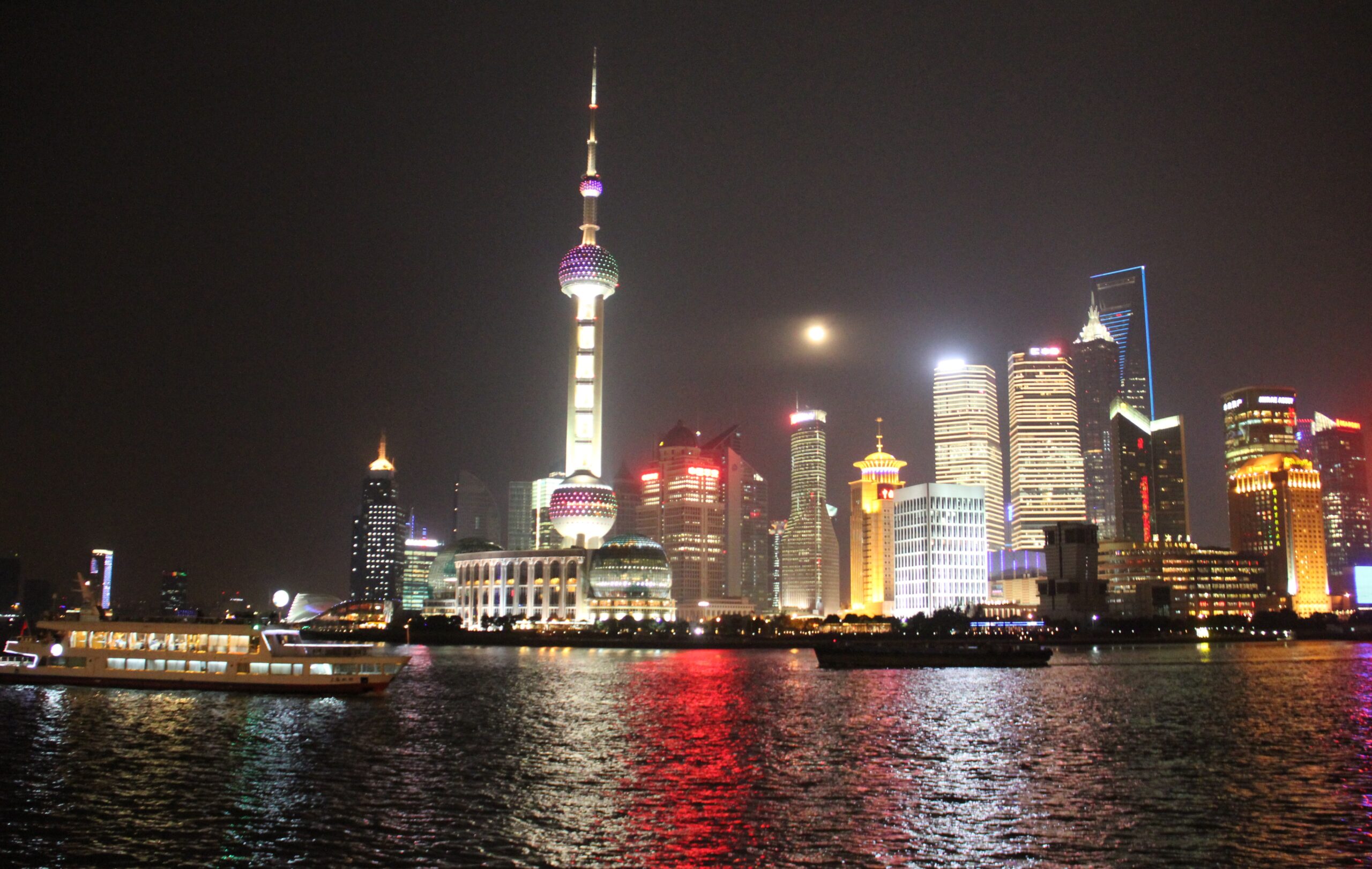
Shanghai
Magazine-style destination guide
Shanghai is a city where Art Deco skylines, Ming-dynasty gardens, European concession lanes, neon-lit pedestrian boulevards, riverside temple bazaars, and hyper-modern supertall towers collide along the curve of the Huangpu River. Its scale is cinematic, yet the most memorable moments come from details: lantern-lit banyan alleys, lacquered tea house interiors, glass observation platforms hovering above the clouds, and stone bridges arching over gondola-threaded canals.
This guide follows nine defining chapters of the city, from the Bund and the Lujiazui Skyline to Yu Garden, the Wukang Road historical district, Nanjing Road, Xintiandi, Jing’an Temple, Zhujiajiao Ancient Water Town, and the Shanghai Museum at People’s Square.
01 · Riverside Façades
The Bund
外滩 / 中山东路万国建筑群
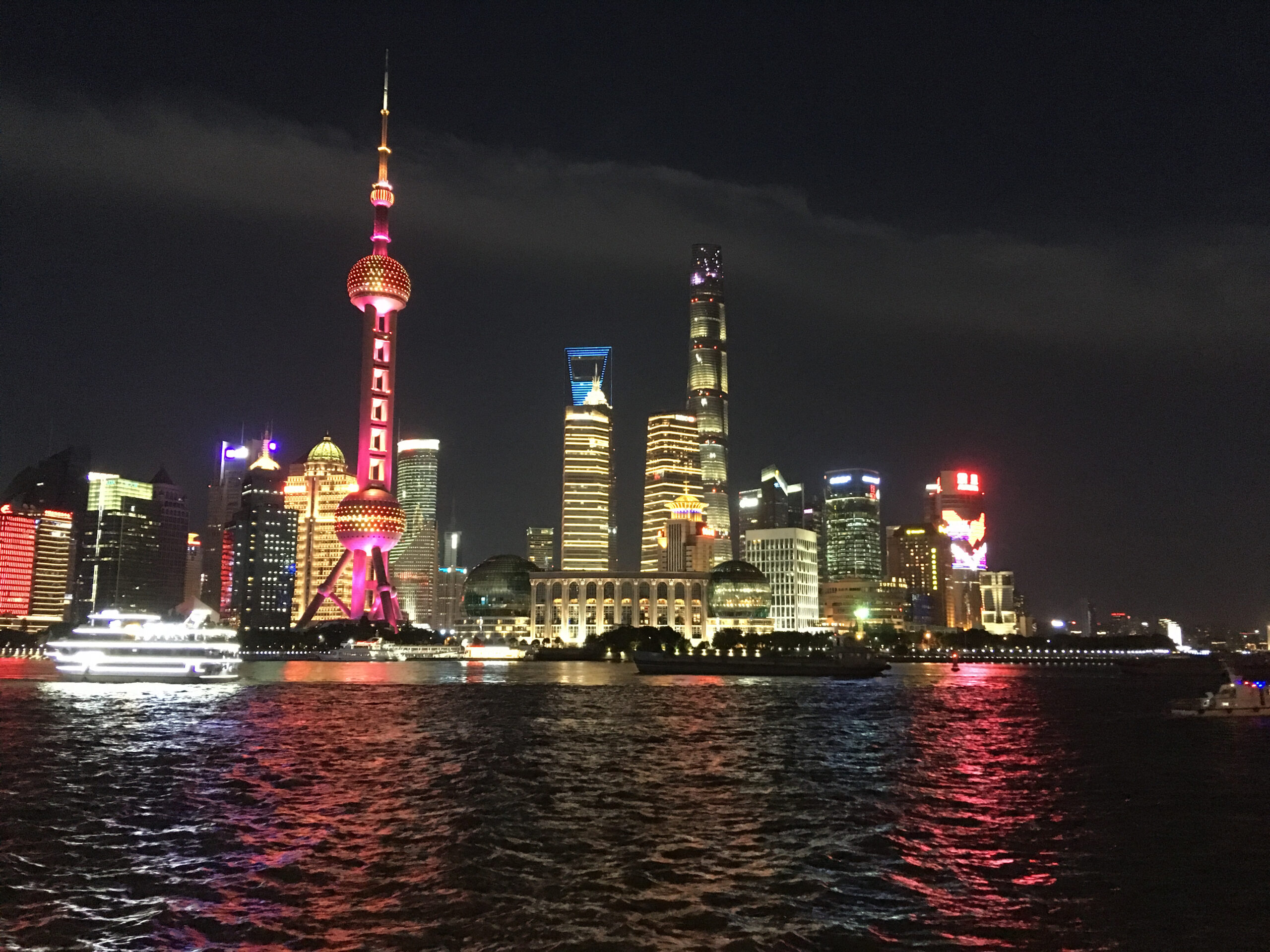
Overview: Stretching 1.5 kilometers along the western bank of the Huangpu River, the Bund was the financial and diplomatic epicenter of East Asia in the late 19th and early 20th centuries, widely acclaimed as a living “World Architecture Museum.”
Highlights: A grand ensemble of 52 historic buildings spanning Romanesque, Gothic, Neo-Classical, Baroque, and Art Deco styles—including the iconic Customs House with its “Big Ching” clock tower and the former HSBC Building with its gilded dome frescoes.
Best Time to Visit: Arrive around 6:30 PM to watch the sunset over the river. At 7:00 PM sharp, witness the spectacular moment when the golden warm-light floodlamps bathe the historic stone façades, set against the illuminated neon skyline of Lujiazui directly across the water.
02 · Supertall Skyline
Shanghai Tower & The Lujiazui Skyline
上海中心大厦与陆家嘴天际线
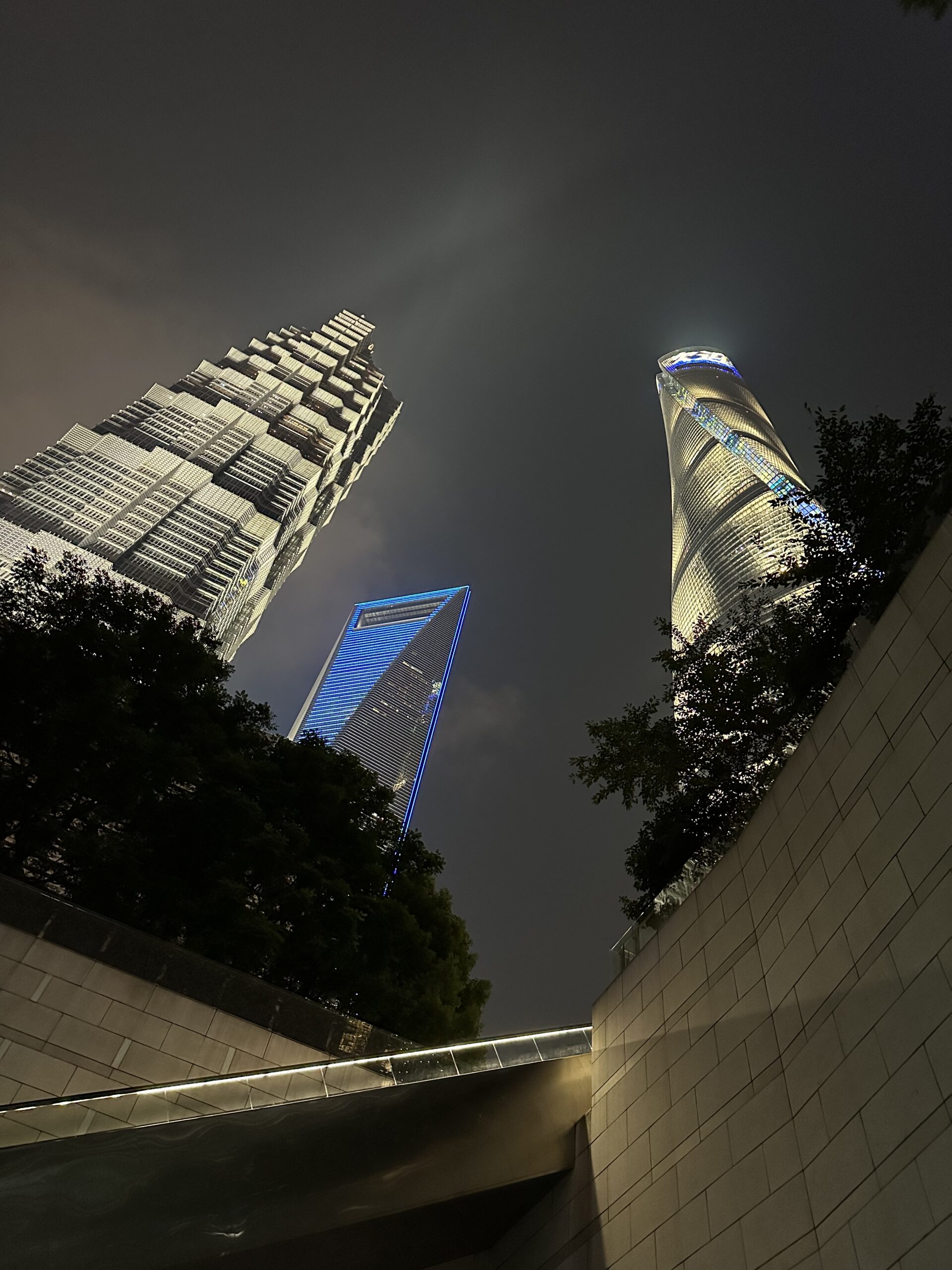
Overview: Towering across the river in the Pudong New Area, Lujiazui is China’s preeminent financial district, anchored by a dramatic trio of supertall skyscrapers alongside the iconic 468-meter Oriental Pearl Radio & TV Tower.
Highlights: The 632-meter Shanghai Tower—China’s tallest building and the third tallest in the world—featuring a twisting 120-degree cylindrical exterior designed to mitigate typhoon wind loads, flanked by the Jin Mao Tower and the Shanghai World Financial Center.
Signature Experience: Taking one of the world’s fastest elevators (shooting upward at 18 meters per second) to the “Top of Shanghai” observation deck on the 118th floor, stepping onto glass platforms for a dizzying bird’s-eye perspective of the swirling Huangpu River and cloud layers below.
03 · Classical Gardens
Yu Garden & City God Temple Bazaar
豫园与老城隍庙旅游区
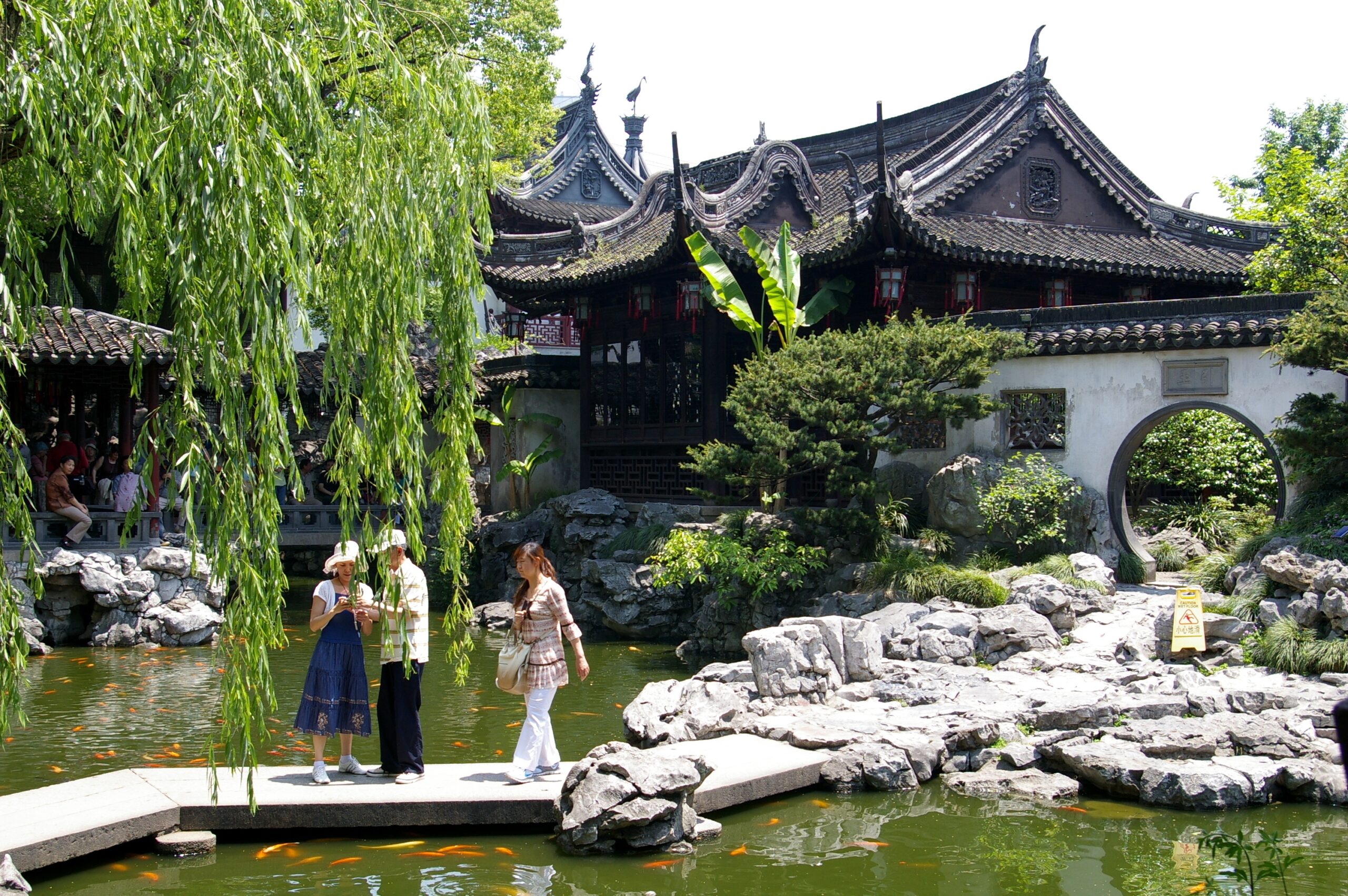
Overview: Commissioned in 1559 during the Ming Dynasty by imperial official Pan Yunduan as a tranquil retreat for his aging parents, this two-hectare oasis is the quintessential classical Jiangnan garden in central Shanghai, nestled right beside the historic City God Temple bazaar.
Highlights: Classical pavilion architecture, winding dragon-topped perimeter walls, tranquil koi ponds, and the famed Exquisite Jade Rock (Yulinglong)—a five-ton porous limestone pinnacle praised for its hollowed elegance.
Signature Experience: Crossing the zigzagging Nine-Turn Bridge (Jiuquqiao) to the historic Huxinting Teahouse, followed by savoring steaming baskets of world-famous Nanxiang steamed soup dumplings (Xiaolongbao) with thin wrappers and rich broth.
04 · Plane Tree Boulevards
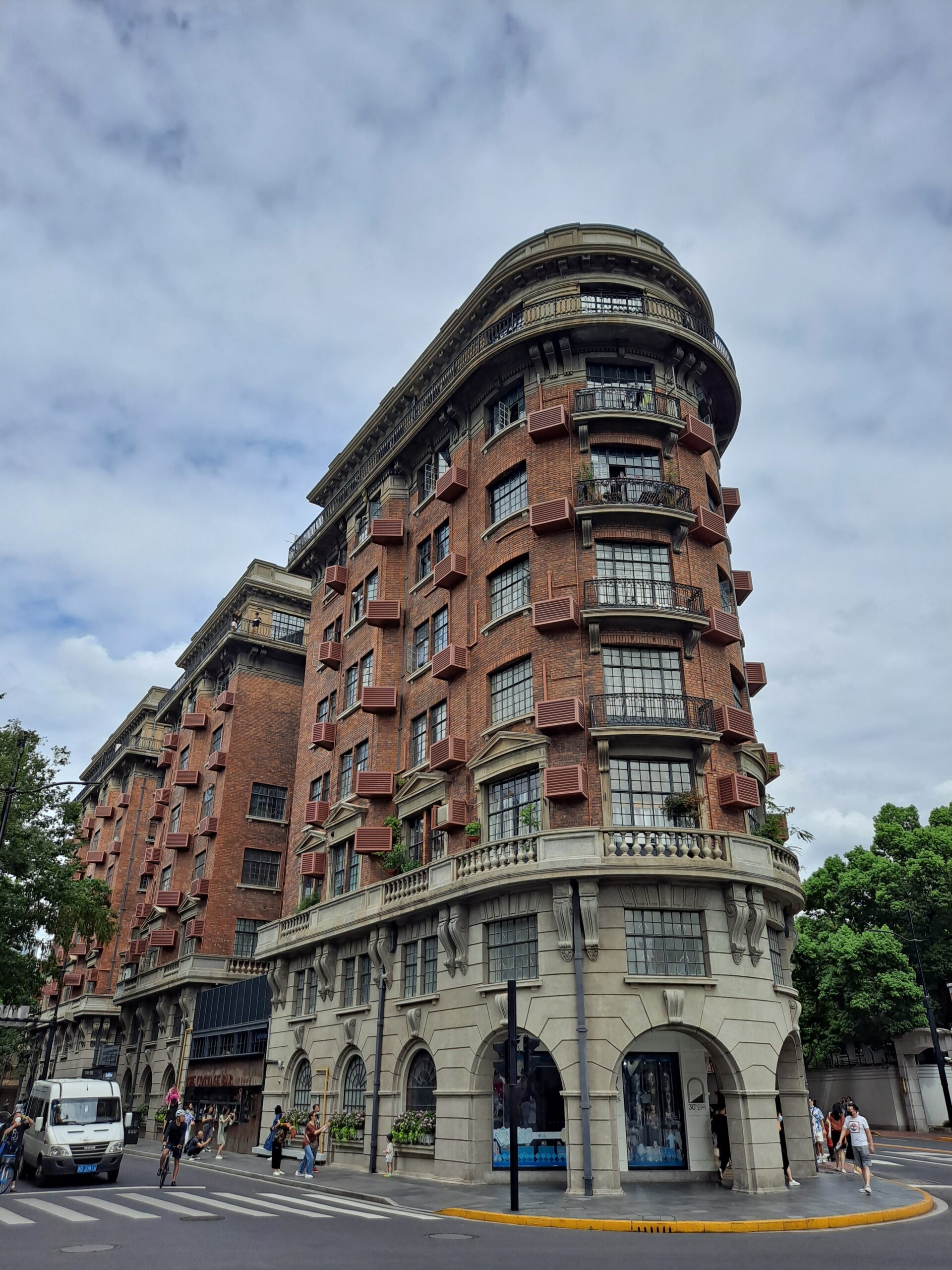
Wukang Road & The Hengfu Historical District
武康路与衡复风貌区
Overview: Shaded by thick canopies of century-old London plane trees, this 1.1-kilometer boulevard represents the cultural heart of the Former French Concession, packed with quiet garden villas, historic embassies, and early 20th-century celebrity residences.
Highlights: The legendary Wukang Mansion (Normandie Apartments), a wedge-shaped flatiron masterpiece completed in 1924 by Hungarian architect László Hudec; alongside secluded Spanish-style, French Renaissance, and English country estates lining the lanes.
Atmosphere: The quintessential “City Walk” destination in Shanghai, where history blends with contemporary leisure—visitors can wander past shuttered French windows, explore independent bookstores, and sip artisan single-origin pour-overs at sunlit sidewalk bistros.
05 · Neon Commercial Mile
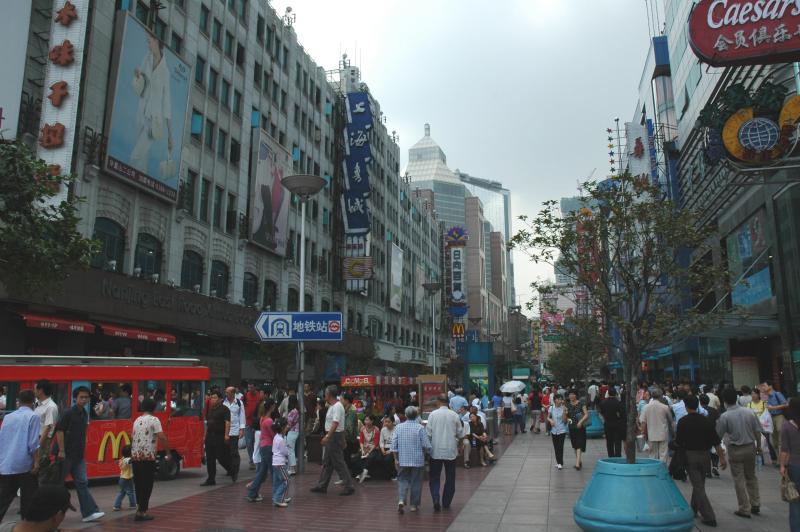
Nanjing Road Pedestrian Mall
南京路步行街
Overview: Originating in 1851 as China’s first modern commercial boulevard, Nanjing Road stretches 5.5 kilometers from People’s Square eastward to the Bund, celebrated for over a century as the “Number One Commercial Street in China.”
Highlights: Dazzling neon signs, heritage department stores (such as the historic Wing On and Sincere buildings), and colorful vintage sightseeing trams (Dangdang cars) shuttling visitors along the granite promenade.
Strategy: Begin walking eastward from People’s Square in late afternoon. Stop at heritage food halls to sample savory pan-fried pork buns (Shengjianbao), freshly baked butterfly pastries from the Park Hotel Bakery, and seasonal flaky pork mooncakes before arriving at the Bund for nighttime photography.
06 · Heritage Lanes Reborn
Xintiandi & Shikumen Heritage
新天地与石库门建筑
Overview: An internationally celebrated urban regeneration landmark that preserves Shanghai’s unique Shikumen (stone-warehouse gate) architectural heritage from the 1920s, skillfully transforming historic residential lanes into a sophisticated pedestrian dining and entertainment quarter.
Highlights: Traditional gray-and-red brick masonry, narrow alley corridors (Longtang), and carved Western-style pediments over solid wooden double doors; also housing the Shikumen Open House Museum and the historic Site of the First National Congress of the CPC.
Atmosphere: A chic blend of old-world charm and cosmopolitan glamour, where travelers dine alfresco at high-end fusion restaurants, browse boutique designer concept shops, and enjoy evening cocktails under soft courtyard lanterns.
07 · Buddhist Sanctuary
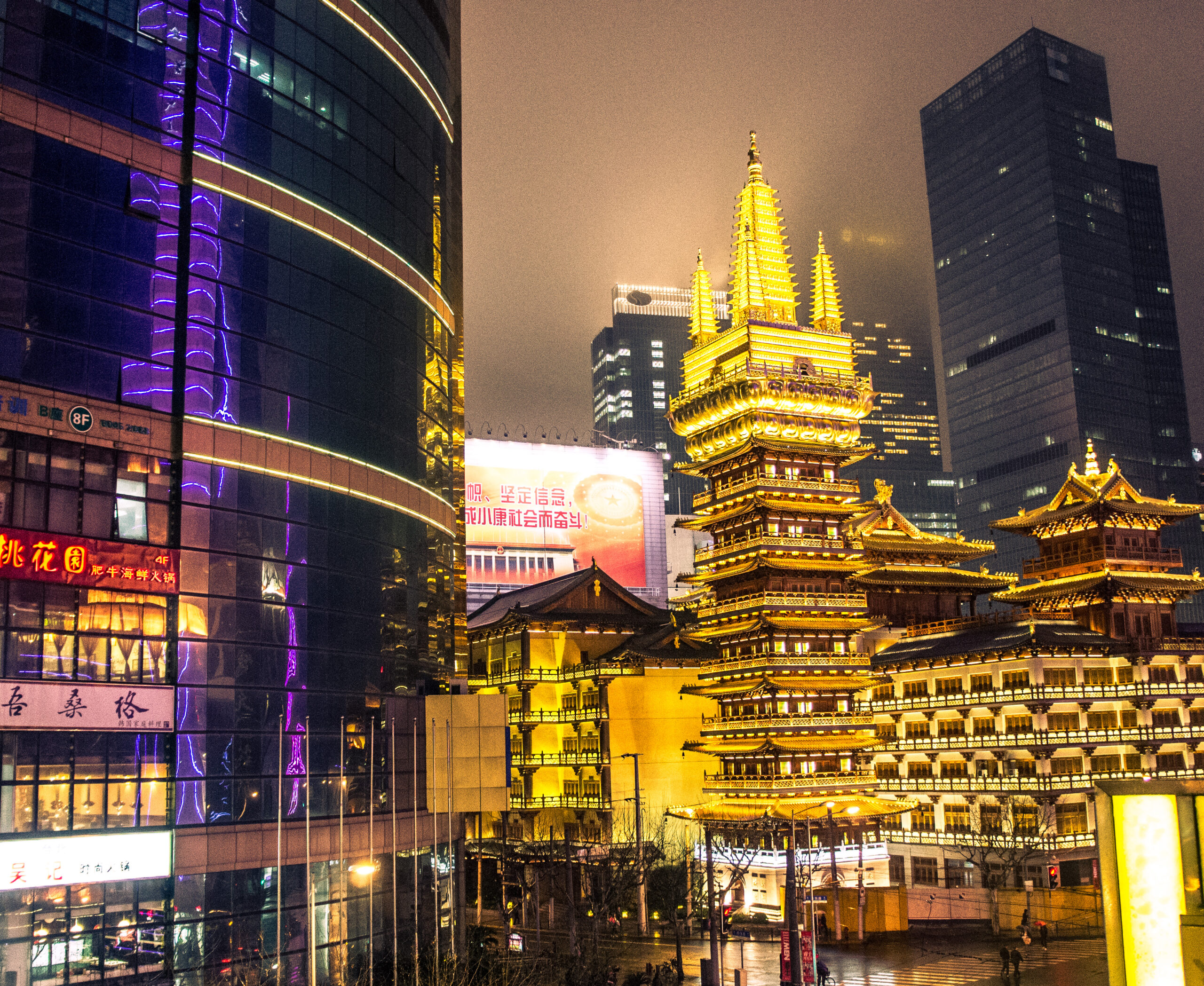
Jing’an Temple
静安寺
Overview: Tracing its spiritual lineage back to 247 AD during the Three Kingdoms period and relocated to its present site in 1216 during the Southern Song Dynasty, Jing’an Temple is one of Shanghai’s most venerated Buddhist sanctuaries.
Highlights: Resplendent teakwood architecture, golden glazed roofs, a monumental five-meter-tall silver Buddha statue in the Mahavira Hall, and an imposing bronze incense burner in the stone-paved central courtyard where visitors toss coins for blessings.
Tip: Visit just before dusk. The contrast between this ancient, gilded Buddhist haven glowing with warm illumination and the ultra-modern steel-and-glass skyscrapers and luxury malls enveloping it offers one of Shanghai’s most surreal visual juxtapositions.
08 · Water Town Day Trip
Zhujiajiao Ancient Water Town
朱家角古镇
Overview: Located in Qingpu District in western Shanghai, Zhujiajiao is an authentic Jiangnan water town boasting over 1,700 years of history, laced with natural waterways, weeping willows, and ancient stone bridges.
Highlights: The 70-meter-long Fangsheng Bridge (Setting-Fish-Free Bridge)—the longest five-arch stone bridge in Shanghai; Kezhi Garden, an expansive scholar’s estate; and quiet Ming-Qing waterfront shophouses with steps leading straight into the canals.
Signature Experience: Boarding a traditional wooden gondola steered by a sculling oar through the narrow waterways, followed by strolling along North Street (Beidajie) to sample local delicacies like braised pork wrapped in lotus leaves (Zhadou) and sweet rice dumplings (Zongzi).
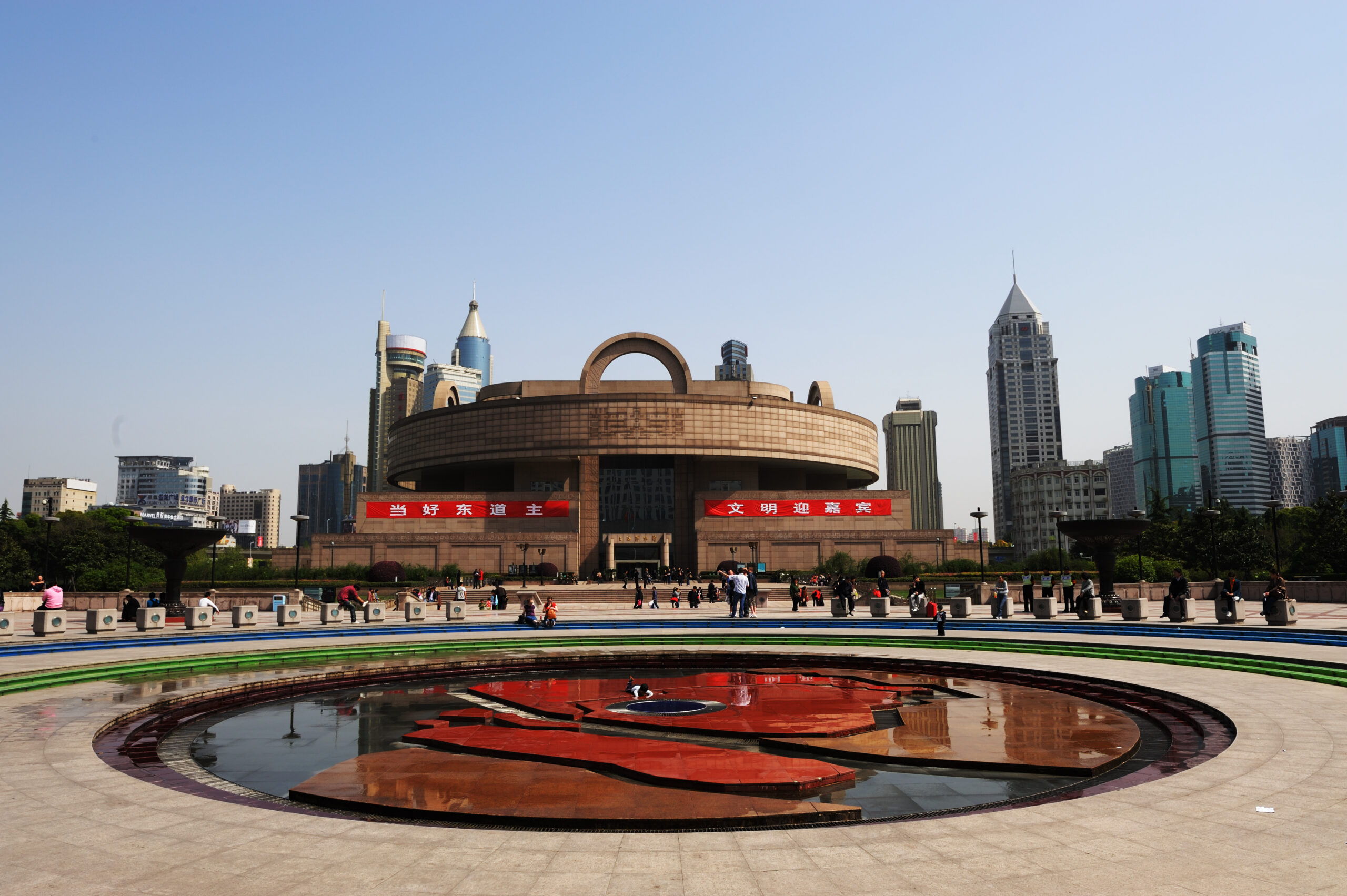
09 · Bronze & Ceramic Treasury
Shanghai Museum at People’s Square
上海博物馆
Overview: Anchoring the civic heart of People’s Square, this world-renowned institution of classical Chinese art features a monumental building designed with a round top and a square base, mirroring the ancient cosmological philosophy of Tian Yuan Di Fang (Round Heaven, Square Earth).
Highlights: Renowned worldwide for its extraordinary bronze and ceramic collections, housing national treasures such as the massive Da Ke Ding (Western Zhou ritual tripod), precious Han dynasty celadon, Tang sancai figurines, and Ming dynasty imperial porcelain.
Strategy: Admission is free, but reservations must be booked online several days in advance. Dedicate at least 2.5 to 3 hours, prioritizing the Ancient Chinese Bronze Gallery and Ancient Ceramics Gallery on the first two floors for an unmatched visual history of Chinese metallurgy and kilns.
Plan a private Shanghai journey
Tell us your dates and travel style — we will craft a thoughtful itinerary around Shanghai’s riverside, cultural, and modern highlights.
Enquire Now