

Chongqing
Magazine-style destination guide
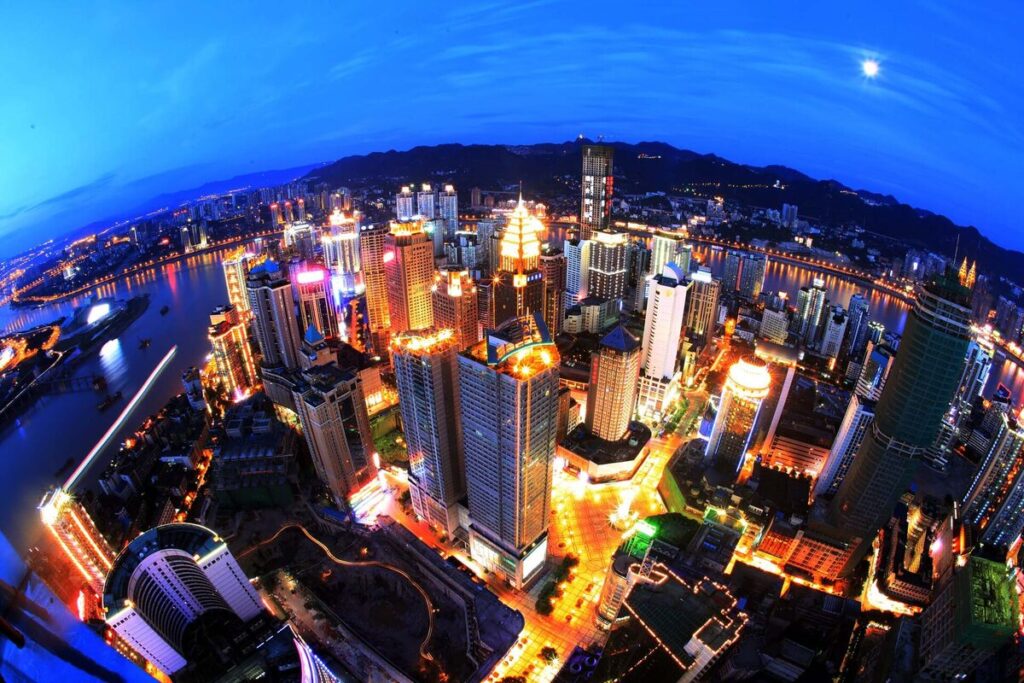
Chongqing is a mountain-meets-river megacity where steep cliffs collapse into the confluence of the Yangtze and Jialing rivers, and layered skyscrapers, stilted houses, and neon-lit terraces stack vertically into the night sky. Its geography forces everything to rise — roads loop around hills, monorails thread through residential towers, and cable cars glide above the brown water.
This is a city of contrasts and intensity: the numbing spice of Sichuan-style hotpot, the slow bend of river fog at dawn, the hypnotic vertical light shows along Hongyadong, and the quiet resolve of a place that has been a strategic gateway since the Three Gorges era. The eight chapters below trace its most defining landmarks, from riverside stilted houses and ancient towns to UNESCO sculpture sites and mountain reserves.
01 · Riverside Icon
Hongyadong
洪崖洞
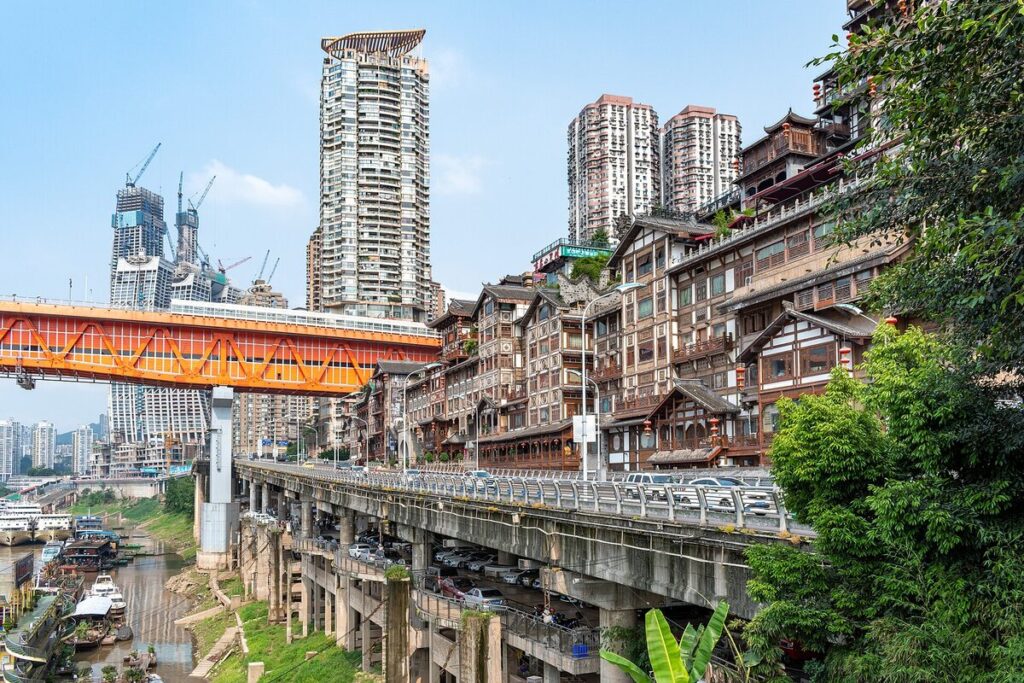
Overview: Built into the riverside cliff face where the Yangtze meets the Jialing, Hongyadong is an 11-story complex of stilted houses, tiered wooden balconies, and lantern-lit corridors inspired by traditional Bayu stilt architecture. The complex rises directly above the water, recreating the old Chongqing port-town feel while functioning as a modern shopping and dining destination.
Highlights: Cascading tiered façades glowing in golden light after sunset, the “Qiansi” corridor network connecting different levels, and river-level promenades where tour boats and water taxis pull up directly beneath the structure. Upper-floor terraces frame panoramic views over both rivers.
Best Time to Visit: Arrive around 6:30 PM in autumn or winter when the sky is dark enough to see the full illumination but before the heaviest crowds. From the Qiansimen Bridge or the Yangtze Cableway cabin, Hongyadong reads as a glowing vertical city — the photo most associated with modern Chongqing.
02 · Old Port Town
Ciqikou Ancient Town
磁器口古镇
Overview: Once a bustling cargo port on the Jialing River during the Ming and Qing dynasties, Ciqikou (literally “Porcelain Port”) earned its name from the porcelain trade that flowed through it. Today it is a well-preserved old town of narrow stone lanes, courtyard homes, teahouses, and small temples that capture the texture of pre-modern Chongqing.
Highlights: The 15th-century Baolun Temple, the traditional tea houses serving jasmine and bamboo-leaf tea in bamboo cups, the street-food alleys with mahua (fried twisted dough), blood-glutinous rice, and skewers, and the many small shops selling handmade paper, embroidery, and Chongqing pickles.
Tip: Go early on weekday mornings to enjoy the lanes without the tour-bus crowds. From Ciqikou Station on Metro Line 1, the entrance gate is a short walk uphill, and the route through the old town runs roughly north–south down to the Jialing riverbank.
03 · Downtown Heart
Jiefangbei CBD
解放碑
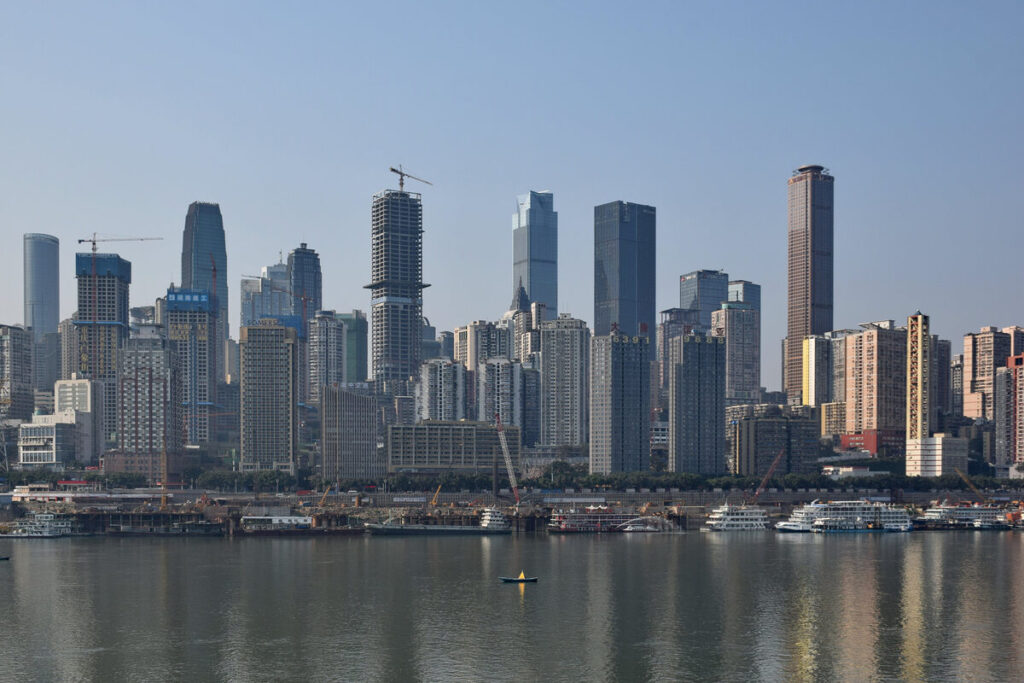
Overview: Centered on the Liberation Monument (Jiefangbei) — a stone obelisk erected in 1945 to mark Chongqing’s role as the wartime capital of China — this is the commercial and retail heart of the Yuzhong peninsula. Towering shopping centers, luxury brands, and dense neon signs stack up around a pedestrianized square that functions as both meeting point and civic symbol.
Highlights: The People’s Liberation Monument itself at the center of the square, the surrounding cluster of flagship stores on Minzu Lu and Bayi Lu, and the canyon-style streetscape framed by skyscrapers that look almost pressed against one another. After dark the area transforms into a glowing maze of vertical advertising.
Strategy: Pair the Jiefangbei walk with a stop at Hongyadong, which sits a short walk downhill toward the Jialing River. Visit between 6:00 and 9:00 PM to see the city’s full neon intensity and to photograph the monument lit from below.
04 · Sacred Sculpture
Dazu Rock Carvings
大足石刻
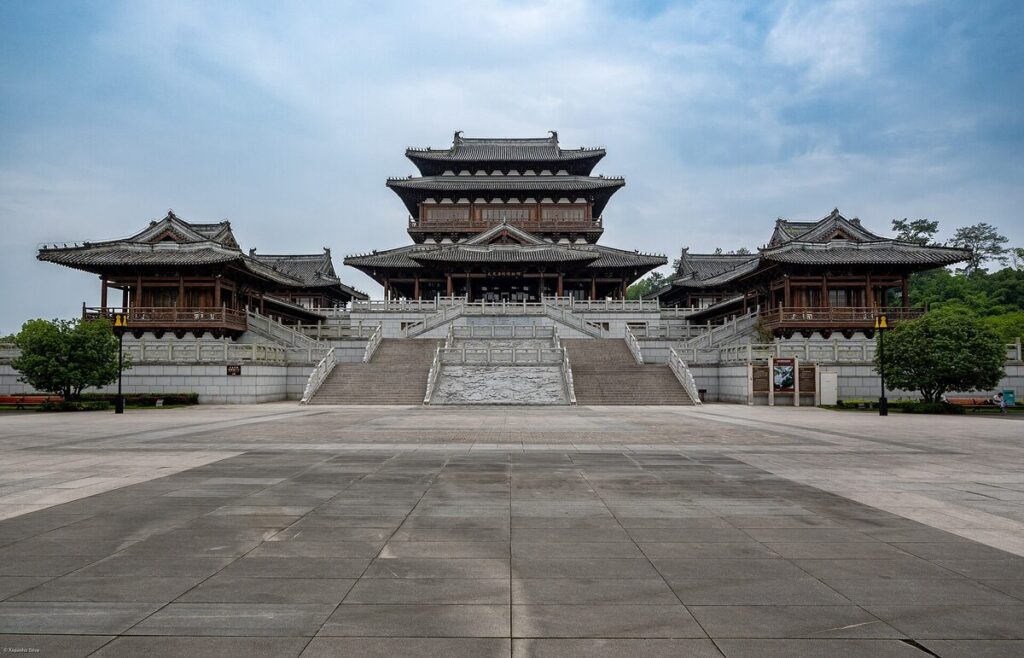
Overview: A UNESCO World Heritage Site located about 130 km west of central Chongqing, the Dazu Rock Carvings comprise more than 50,000 Buddhist, Taoist, and Confucian sculptures carved into cliff faces between the 9th and 13th centuries. The Baodingshan and Beishan sites together represent one of the finest ensembles of religious stone sculpture in East Asia.
Highlights: The famous Reclining Buddha at Baodingshan, the Wheel of Life (Samsara) carved into a single rock, and the vividly painted Ten Courts of Hell. The Beishan cliff is dense with Buddhist and Taoist figures blending Buddhist, Daoist, and Confucian themes in surprising harmony.
Tip: The carvings are spread across several sites; allow a full day. Hire a local guide at Baodingshan to decode the iconography, and wear sturdy shoes — many of the paths run along narrow cliff ledges above the carved panels.
05 · Yangtze Heritage
Three Gorges Museum
三峡博物馆
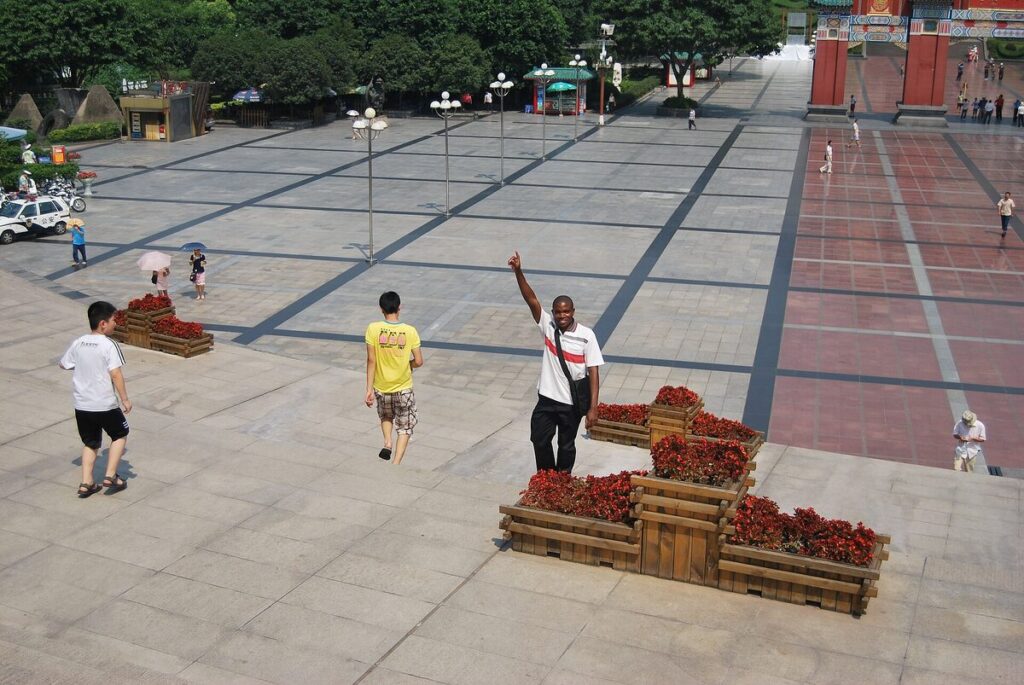
Overview: Sitting opposite the Great Hall of the People in central Chongqing, the Three Gorges Museum is the city’s principal cultural institution. Its permanent exhibitions trace the deep history of the Yangtze River region — from prehistoric Ba culture through the Three Kingdoms, the rise of Chongqing as a treaty port, the wartime capital years, and the modern era of the Three Gorges Dam project.
Highlights: The “Magnificent Three Gorges” gallery, featuring detailed models of the Three Gorges landscape and artifacts salvaged from villages submerged by the dam; the Ba culture hall with bronze weapons and ritual objects; and rotating exhibitions on modern Yangtze engineering and river ecology.
Tip: Admission is free but bring photo ID. Audio guides are available in English and Mandarin. Plan at least three hours and combine the visit with a walk across People’s Square to absorb the full civic axis from the Great Hall of the People to the monument at its south end.
06 · Sacred Mountains
Jinyun Mountain
缙云山
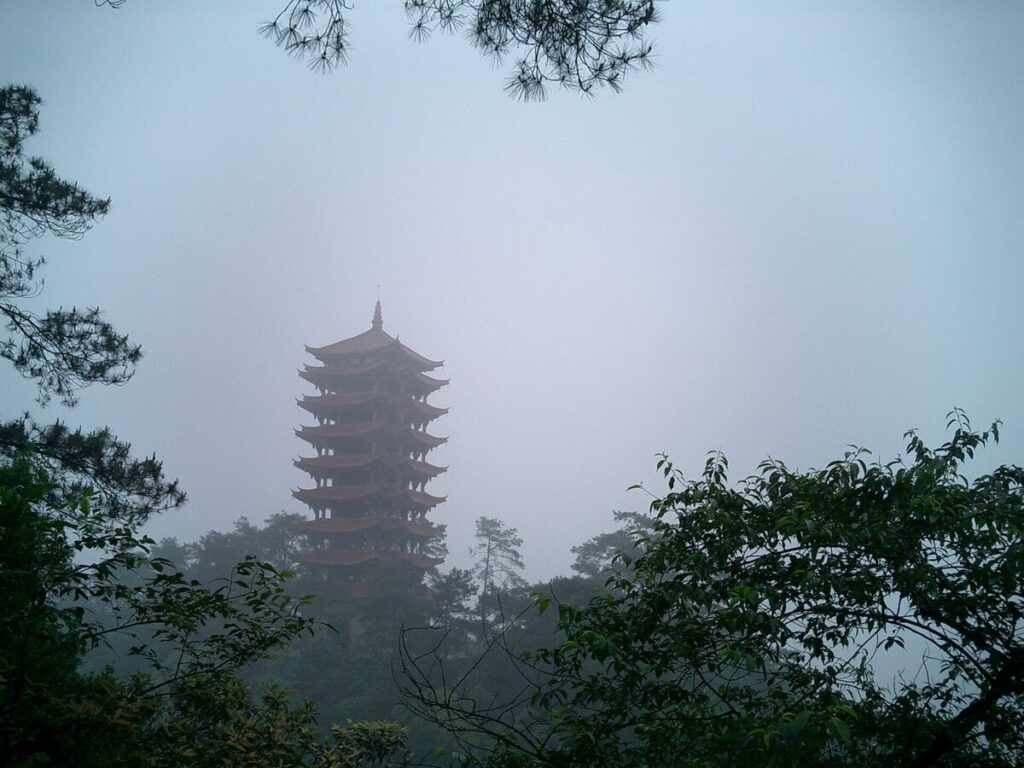
Overview: One of the four sacred Daoist mountains in China, Jinyun rises about 40 km northwest of central Chongqing in the Jialing-Jin Mountains, with peaks approaching 1,000 meters. The protected area combines ancient Daoist temples, subtropical forest, and panoramic lookouts over the Chongqing plain and surrounding rivers.
Highlights: The Tang-era Jinyun Temple, dense bamboo groves and cedar forests on the upper slopes, hot springs at the foot of the mountain in Beibei district, and clear winter views that occasionally reach as far as the Yangtze on a cool morning.
Best Time to Visit: Late spring or early autumn, when temperatures are mild and the trails are at their greenest. Cable cars and shuttle buses cover the main approach from the north gate, leaving the steeper ridge walks for fit hikers.
07 · Sky Crossing
Yangtze River Cableway
长江索道
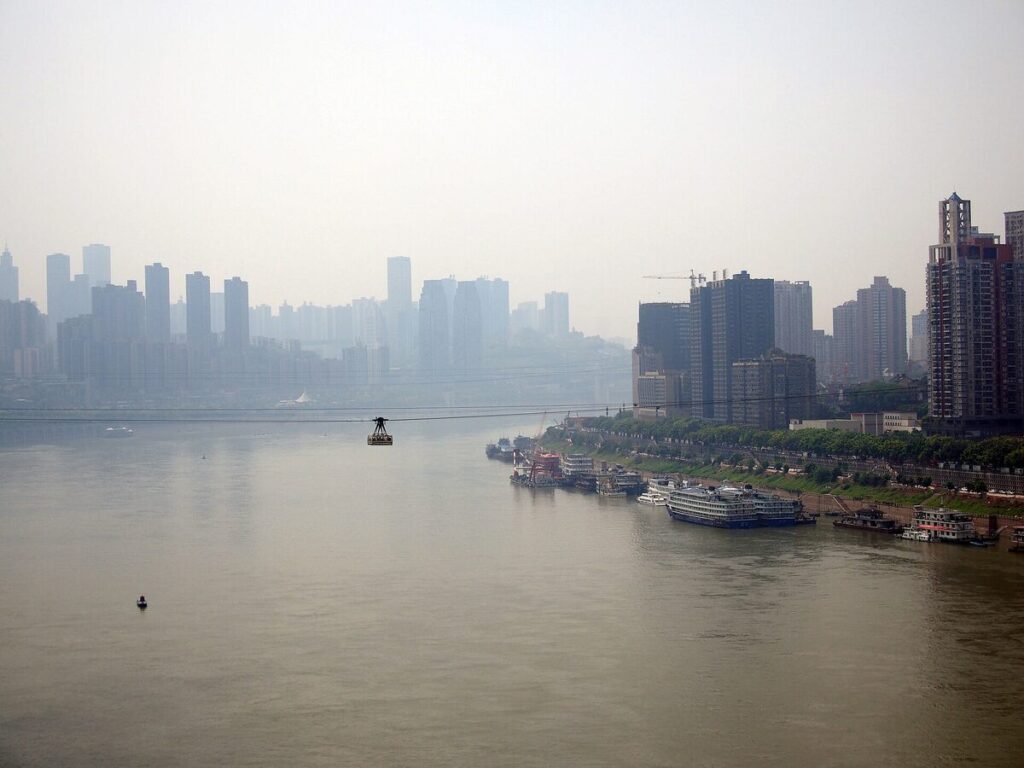
Overview: Opened in 1987 as part of Chongqing’s commuter transport network, the Yangtze River Cableway was once a workaday way of crossing the Yangtze between Yuzhong and Nan’an. Retained today as both a transit link and a tourist ride, its cabins still carry passengers more than 300 meters above the river between the two banks.
Highlights: Aerial views of the Yangtze, the Jialing confluence below, and the layered skyline of Yuzhong rising along the cliff. From the cabin, the towers of Hongyadong and the distant slopes of Nan’an are framed in a single continuous sweep.
Strategy: Ride near sunset for the cleanest light, then walk downhill from the Yuzhong terminal to Hongyadong and the Qiansimen Bridge. A round-trip ticket covers both directions, and weekday queues are far shorter than weekend ones.
Plan a private Chongqing journey
Tell us your dates and travel style — we will craft a thoughtful itinerary around Chongqing’s river, mountain, and culinary highlights.
Enquire Now