

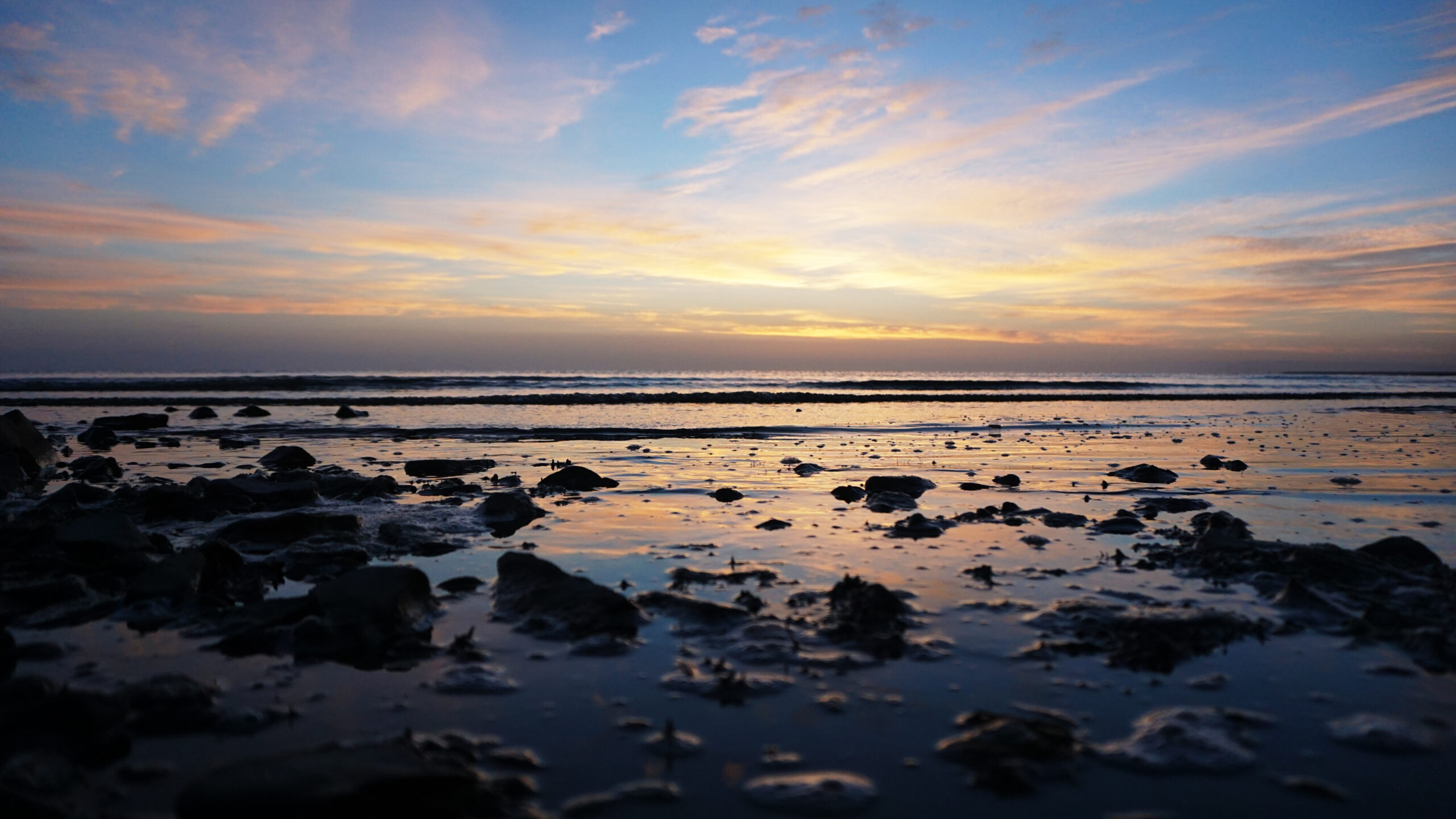
Qinghai-Gansu Loop
Magazine-style destination guide
The Qinghai-Gansu Loop is the overland adventure that crosses the roof of northwestern China in roughly 2,800 kilometres, swinging from the sapphire expanse of Qinghai Lake through salt flats, Tibetan summer pastures, the Buddhist cave art of Dunhuang, the singing dunes outside the Silk Road oasis, the rainbow-striped Danxia hills and onward to the western end of the Great Wall at Jiayuguan. It is the country’s most ambitious self-drive circuit and one of the last great overland routes still framed by ice-carved ranges, salt deserts and centuries-old caravan trails.
This guide follows six signature chapters of the loop, from Qinghai Lake and the Mirror of the Sky at Chaka to the Mogao Grottoes, Mingsha Sand Dunes and Crescent Lake, Jiayuguan Fortress and finally the striped rock cathedrals of Zhangye Danxia. Each stop reads like its own visual genre: high-altitude lake, salt mirror, Buddhist sanctuary, sand-and-spring, frontier fortress and rainbow range, stitched together by the long, luminous sweep of the Hexi Corridor.
01 · Highland Lake
Qinghai Lake
青海湖
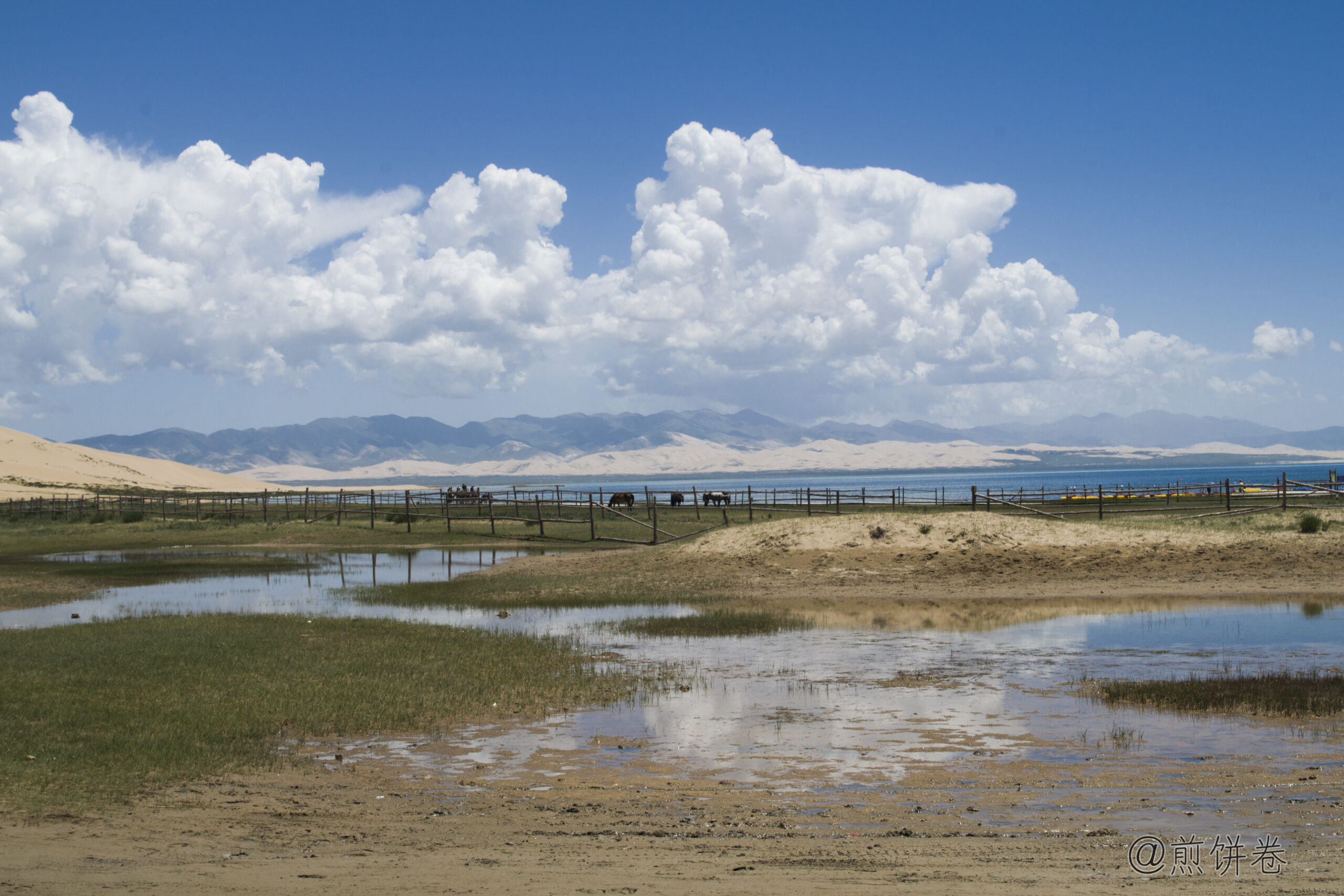
Overview: Perched at 3,196 metres on the northeastern Tibetan Plateau, Qinghai Lake is China’s largest inland body of water, a saline basin of roughly 4,580 square kilometres ringed by snow-streaked mountains, rolling pasturelands and flocks of migratory bar-headed geese that cross the Himalayas each spring.
Highlights: Sailing across a sheet of cobalt that meets the sky at an impossibly distant horizon; circling the lake on the open road between the Erlangjian Peninsula and the Black Horse Pass; and walking among summer-blooming rapeseed fields where yellow petals drift across the lake against snow-capped peaks.
Strategy: Arrive between mid-July and early August for the warmest weather and the cycling-friendly Ring Road. Spend at least one full day circling the western shore to watch the light change, then join a local Tibetan family for butter tea and fried dough before driving onward into the Qilian foothills.
02 · Mirror of the Sky
Chaka Salt Lake
茶卡盐湖
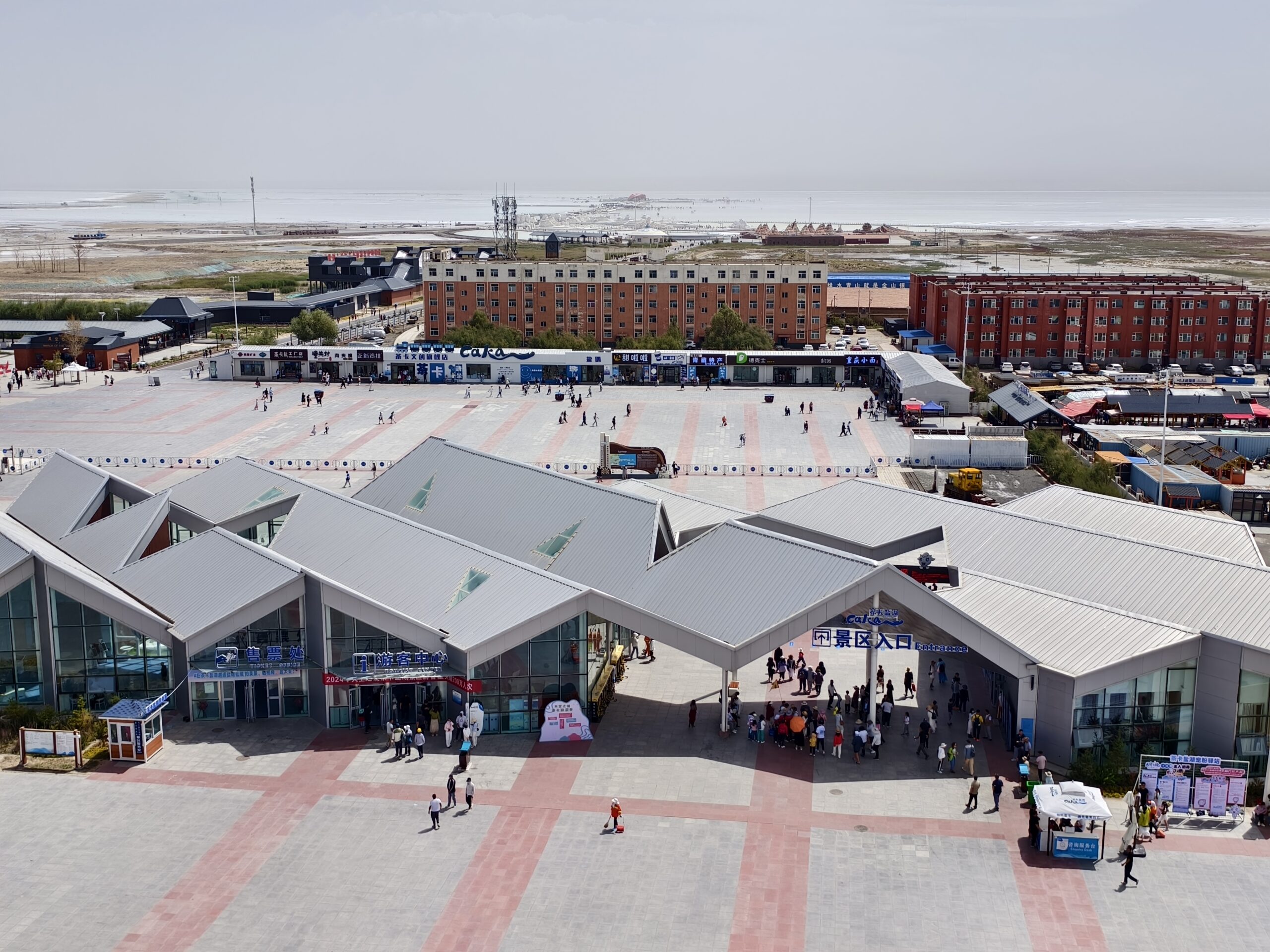
Overview: Set on the northeastern rim of the Qaidam Basin at 3,100 metres elevation, Chaka Salt Lake is a natural crystallising brine pool where a thin film of brine over a metre-thick salt crust creates one of the most complete mirror reflections of the sky on Earth, earning it the nickname “Mirror of the Sky”.
Highlights: Stepping onto the salt flats in brightly coloured clothing for a doubled reflection of sky and figure; riding the heritage narrow-gauge salt train that once hauled mineral to the railhead; and watching the Milky Way turn slowly overhead after sundown, the salt platform doubling every constellation.
Signature Experience: Travel between June and early October when the lake has a thin, even sheet of water ideal for reflections; arrive at sunrise or in the last two hours before sunset for softer light. Wear waterproof footwear, rent rubber boots at the entrance, and protect cameras from salt spray with a simple plastic cover.
03 · Buddhist Cave Art
Mogao Caves at Dunhuang
敦煌莫高窟
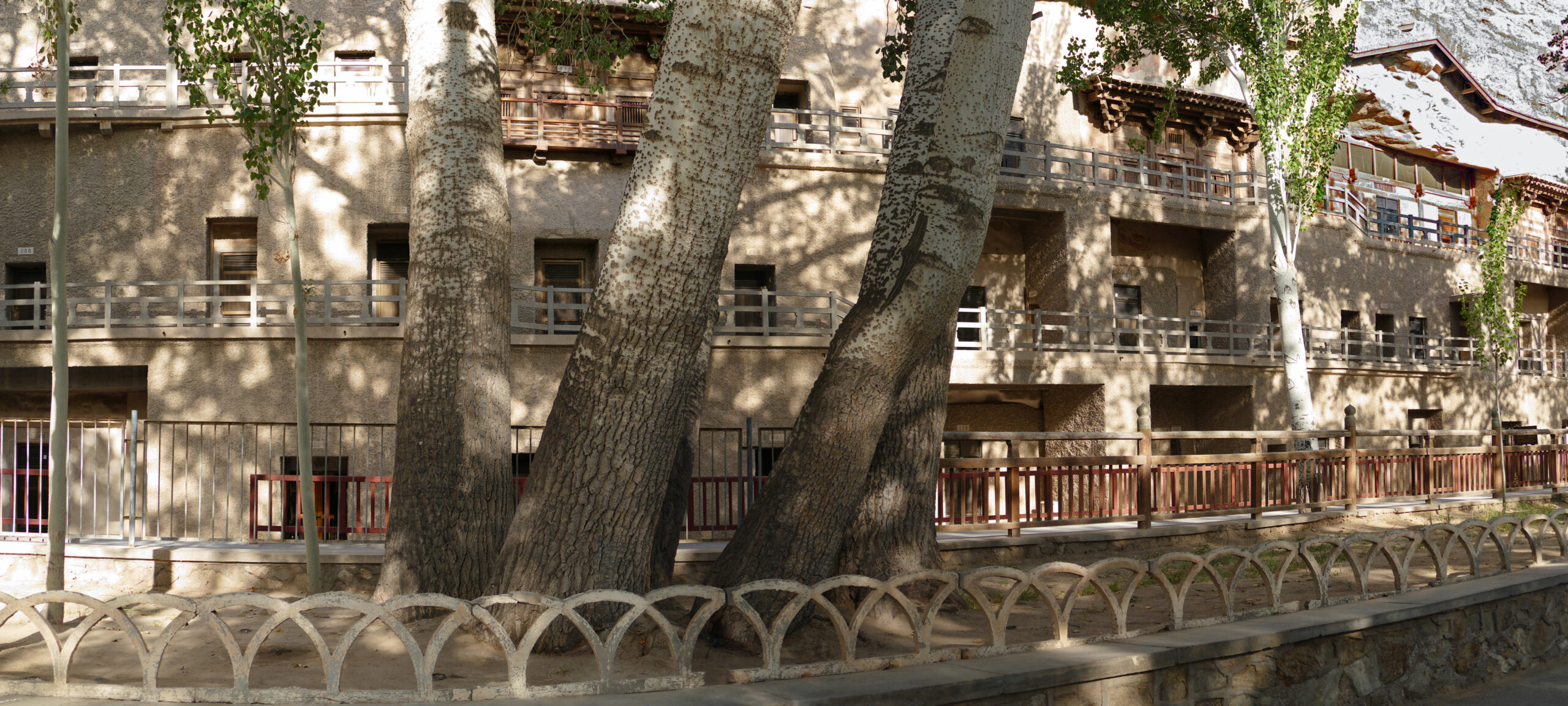
Overview: Carved into the sandstone cliffs above the Daquan River between the 4th and 14th centuries, the Mogao Grottoes form a UNESCO World Heritage complex of 735 caves decorated with more than two thousand painted Buddhist sculptures and murals spanning sixteen dynasties of Silk Road devotion.
Highlights: Standing before Cave 96’s 35-metre-tall Nine-Tiered Buddha; studying flying apsaras and donor portraits that map Central Asian trade families across Tang dynasty walls; and visiting the digital exhibition centre that displays caves no longer accessible to the public.
Highlights: Tickets must be reserved online in advance, with daily visitor numbers strictly capped to protect the murals. Plan at least two hours, splitting between the digital centre, a guided tour of eight to ten caves, and the Manuscript Library exhibit. Photography is forbidden inside the caves; carry a small torch for darker chambers.
04 · Singing Dunes
Mingsha Sand Dunes & Crescent Lake
鸣沙山月牙泉
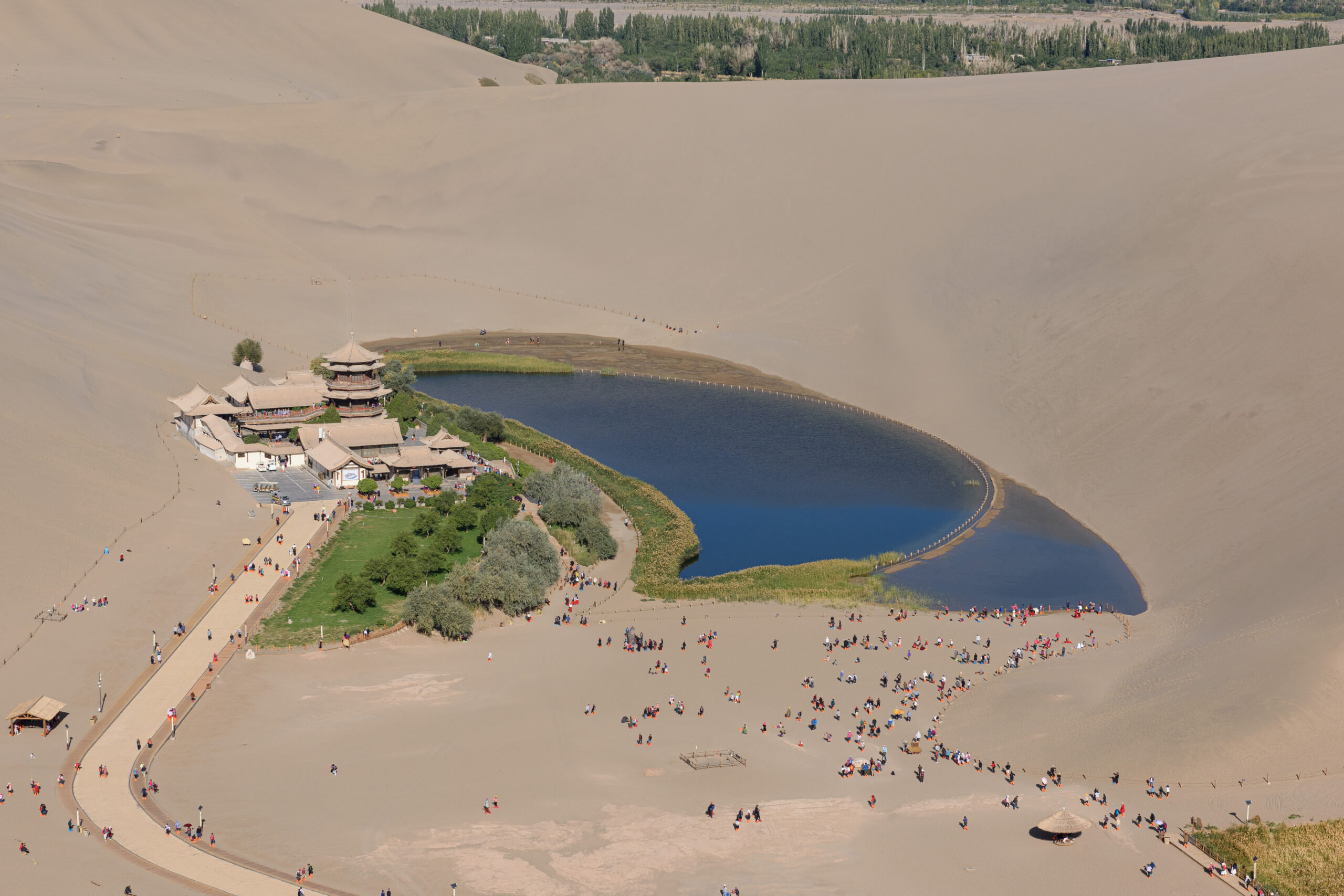
Overview: Just seven kilometres south of Dunhuang, the Mingsha Sand Dunes rise up to 171 metres above the Gobi edge, encircling a spring-fed crescent-shaped pool that has refused to be swallowed by sand for more than two thousand years, producing the classical Silk Road tableau of dunes, oasis and monastery towers.
Highlights: Listening to the low, musical resonance the dunes emit when wind cascades down their lee slopes; riding a Bactrian camel along the dune ridge at golden hour; and sliding down the soft slip-face on a rented sandboard before photographing the pavilion-ringed lake.
Best Time to Visit: Late afternoon is the most forgiving time, when temperatures drop and the lower sun paints the crescent pool in honeyed reflections. Combine with the nearby Dunhuang night market for an easy evening of lamb skewers and apricot pastries after the descent.
05 · Western End of the Wall
Jiayuguan Fortress
嘉峪关
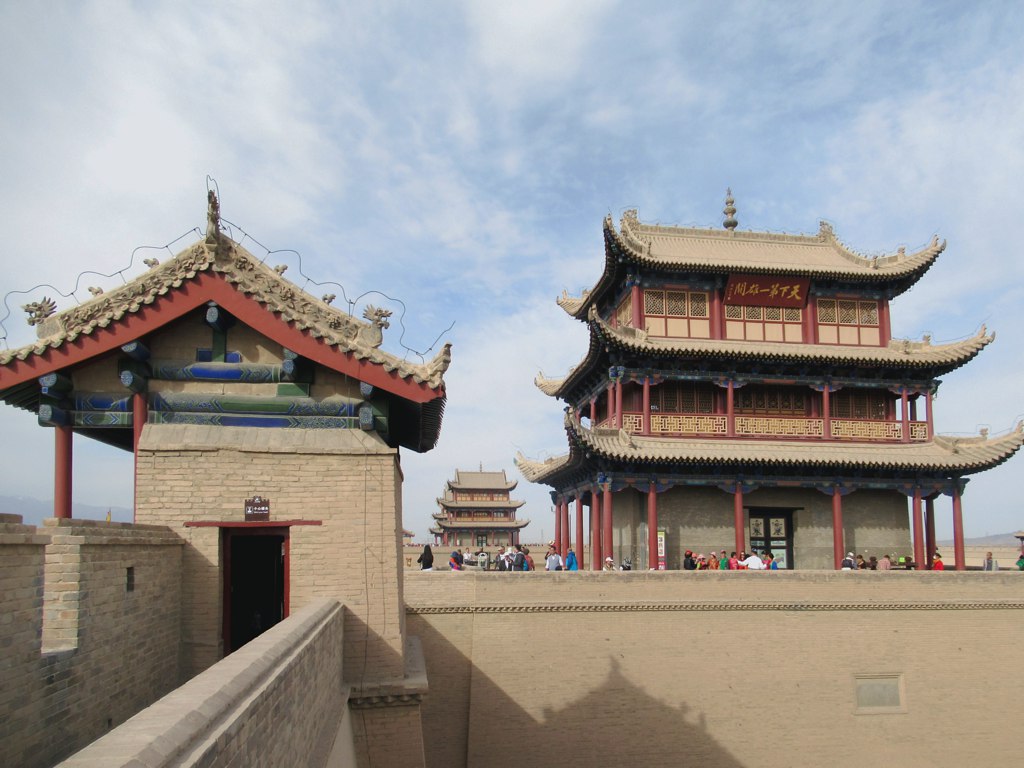
Overview: Built from 1372 onward at the narrowest point of the Hexi Corridor, Jiayuguan is the western terminus of the Ming Great Wall, a 33,500-square-metre trapezoidal citadel flanked by two opposing hills, where merchant caravans bearing silk, jade and horses cleared imperial customs before crossing into the Gobi.
Highlights: Walking the original rammed-earth rampart between the Guanghua and Rouyuan gate towers; spotting the legendary “last brick” left over from the original construction count above the central gate; and climbing the cantilevered Overhanging Wall section that clings to the Heishan cliff face.
Tip: Allow a half-day, pairing the fortress with a drive to the Suspended Great Wall and the First Beacon Tower on the Heihe River. Late-afternoon light favours the western walls; in winter the bare loess faces photograph especially well against the surrounding desert.
06 · Rainbow Mountains
Zhangye Danxia Landform
张掖丹霞
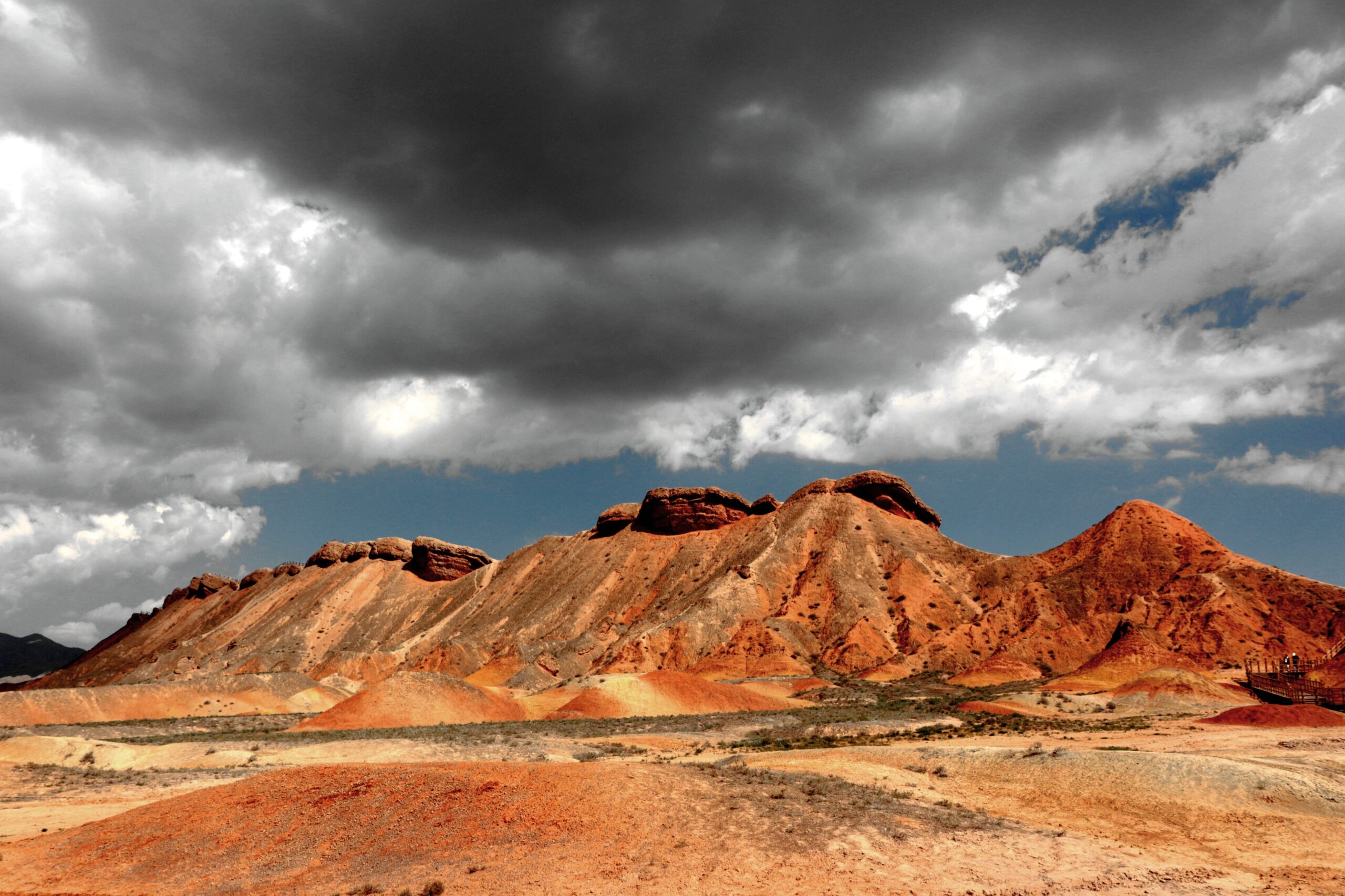
Overview: Two hours west of Jiayuguan, the Zhangye Danxia Geological Park showcases a 50-square-kilometre sweep of Cretaceous red beds whose mineralogy has stained the sandstone hills in marbled bands of crimson, ochre, saffron and slate-grey, sculpted into sharp ridges by Himalayan uplift and wind erosion.
Highlights: Watching cliff faces shift between oxblood and rust as late sun rakes across the rainbow valleys; riding the park shuttle between four viewing platforms, each offering a different angle on the striated ridges; and photographing the cooling palette after sundown when saturated reds turn violet.
Strategy: Visit between June and September for reliable weather, and stay for the late-afternoon golden hour when contrast is at its peak. The park enforces strict no-entry rules on the coloured ridges, so plan compositions from the boardwalk platforms rather than walking among the formations.
Plan a private Qinghai-Gansu Loop journey
Tell us your dates and travel style — we will craft a thoughtful itinerary along the Qinghai-Gansu Loop.
Enquire Now